
2026
Working on..
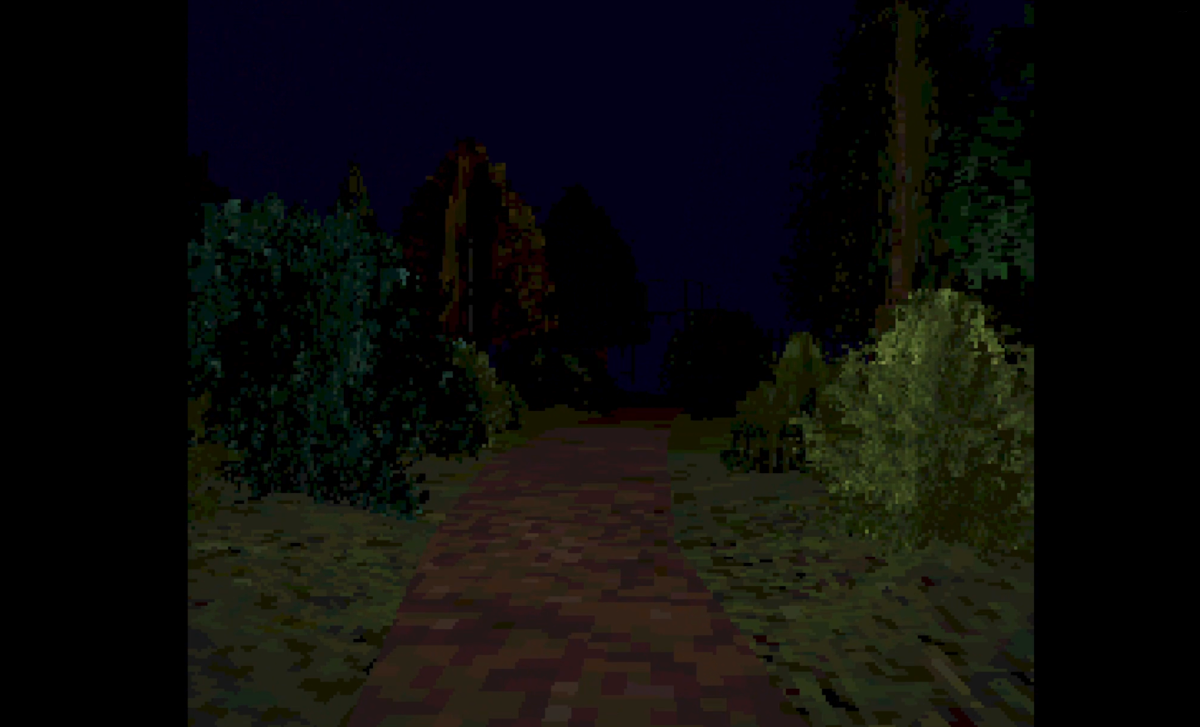
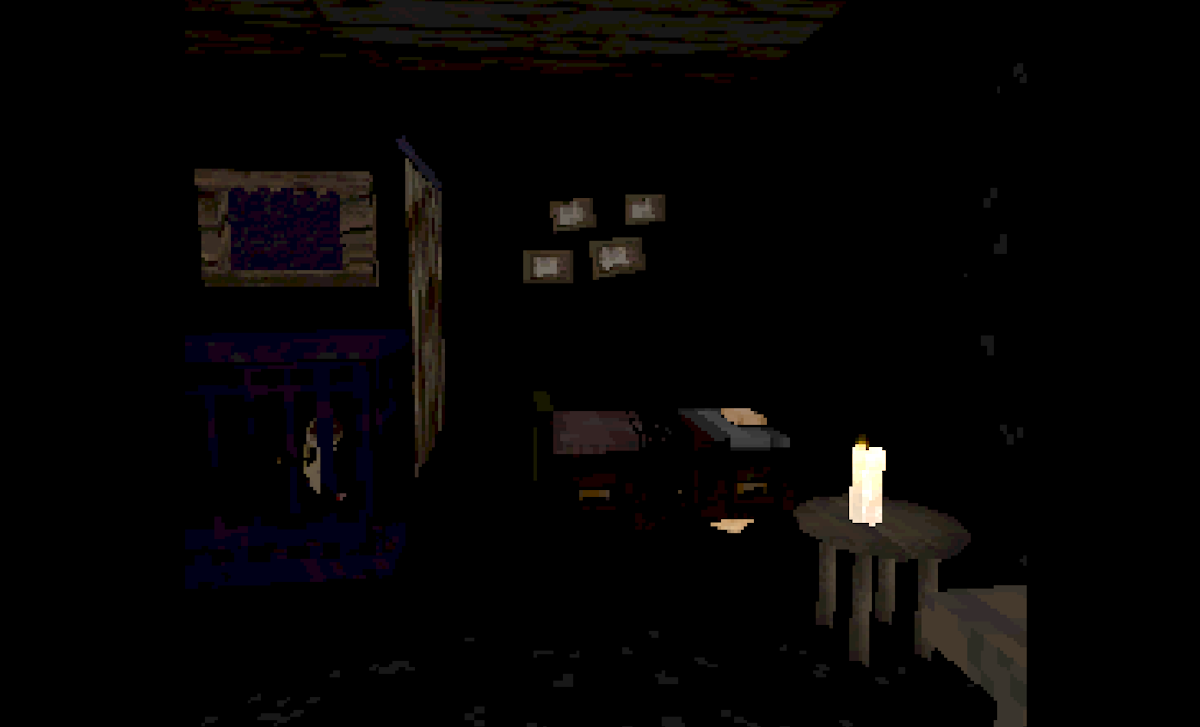
A first-person narrative horror prototype built around limited control, environmental storytelling, timed events, and a PSX-inspired visual style.
Description
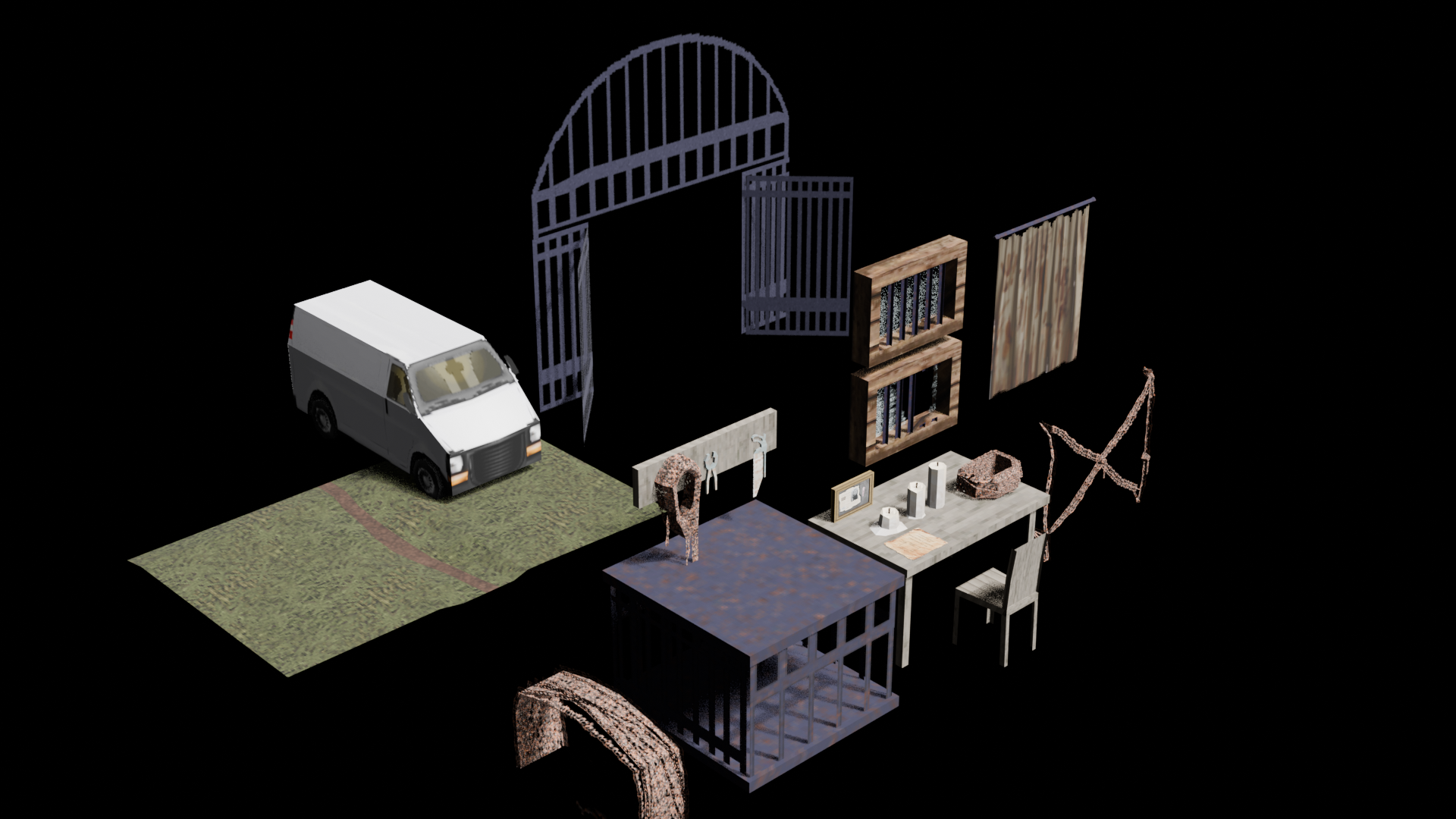
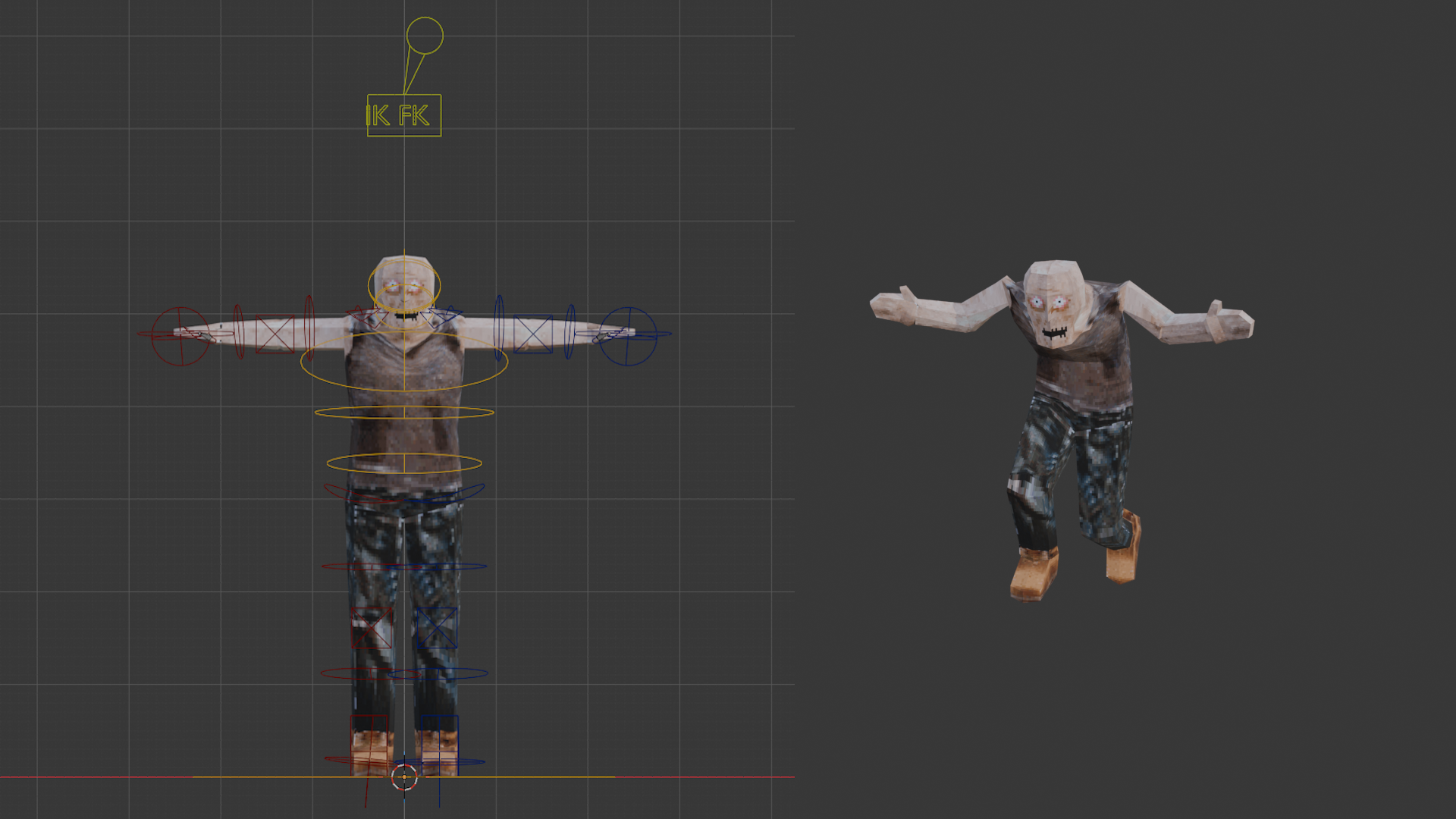
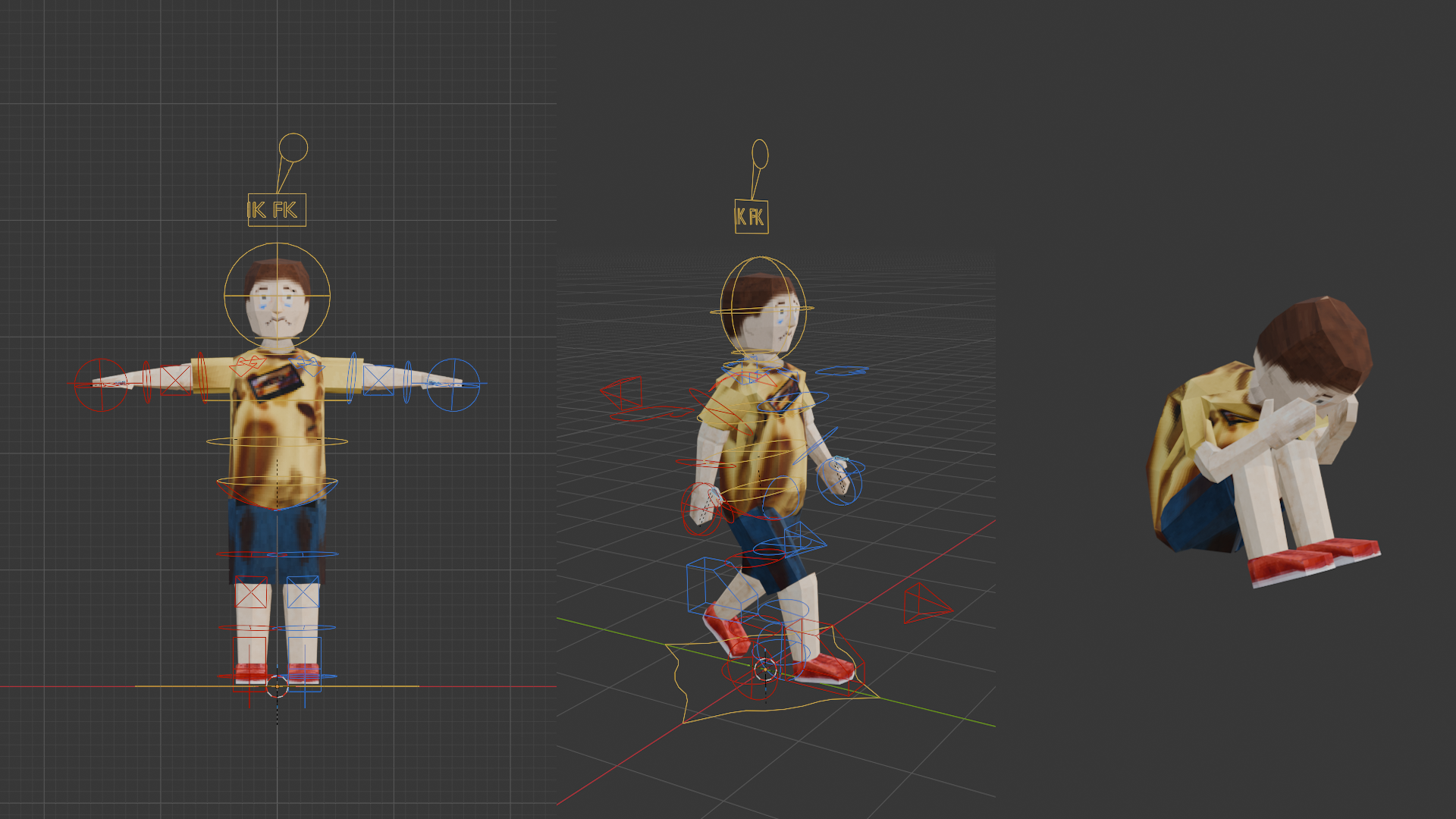
This prototype explores a story-driven first-person horror experience in Unity. The gameplay is built around repeated narrative situations, limited player control, environmental observation, interaction-based progression, timed threat events, and multiple possible outcomes. I worked on the overall gameplay structure, modular interaction and story-event systems, state-driven scene progression, PSX-style rendering, audio direction, and the complete 3D asset pipeline. All environments, props, characters, rigs, and animations are created in Blender and integrated into Unity through a reusable workflow.
Devlog notes
- Narrative Structure: The prototype uses a repeated story loop where familiar situations return with changed context, new interaction possibilities, and escalating consequences.
- State-Driven Progression: Story progress is handled through flags and scene states, allowing interactions, events, scene transitions, and endings to react to previous player actions.
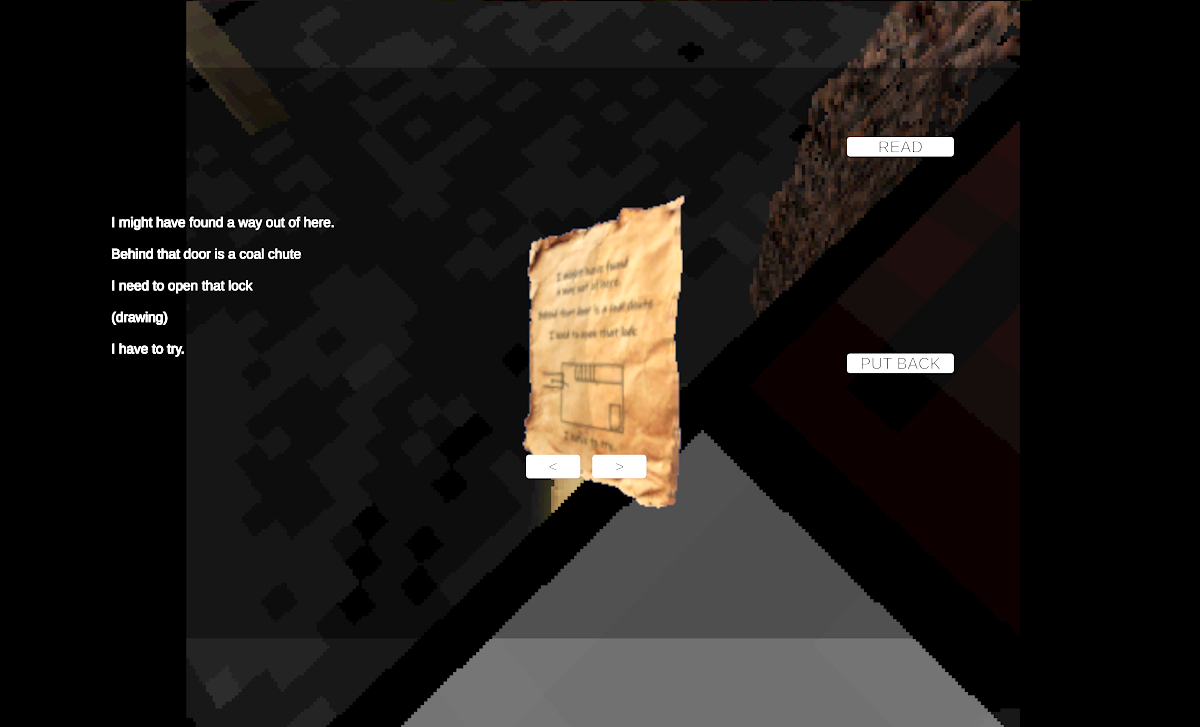
- Interaction System: Player interaction is built around looking at objects and using a single interaction input. Interactable objects can trigger text, sound, sequences, state changes, or scripted events.
- Timed Event Logic: Key scenes use configurable timers and event conditions to create pressure, trigger character appearances, or escalate danger based on player actions.
- Sequence-Based Gameplay: Story moments are structured through reusable sequences that can combine camera changes, audio cues, text, animations, player-state changes, and gameplay flags.
- Animation and Timeline Workflow: Character and object animations are created in Blender, exported as clips, and used in Unity through Timeline and scripted sequences for cinematic story moments.
- Blender Asset Pipeline: All 3D assets are modeled, rigged, and animated in Blender, with a focus on low-poly geometry, readable silhouettes, reusable rigs, and game-ready animation clips.
- PSX Visual Style: The prototype uses low-resolution rendering, point-filtered textures, vertex snapping, black distance fog, simple lighting, cutout materials, and CRT-inspired post-processing.
- Audio Direction: Reaper is used for creating and processing horror audio, including degraded retro-style sound effects, environmental ambience, metallic impacts, and spatial audio cues.
- Modular Architecture: The project is structured around small reusable systems such as GameState, SequenceRunner, InteractionDefinitions, camera views, audio services, Timeline actions, and scene-specific event controllers.